Water Damage Restoration in The Pinery, CO
The Pinery is the ponderosa-covered community south of Parker along Parker Road, about 11,300 people at 6,067 feet, laid out in the 1970s and 1980s around the golf course and Bingham Lake and filled in through the 1990s. The lots are large and wooded, the homes are ranches and two-stories with walkout basements on the slopes toward Cherry Creek, and many of the houses are on their second or third owner.
The pines shade the north walls and hold snow on the ground weeks longer than the open prairie, so the spring melt into the clay lasts longer here and the sump pumps run longer. The 1970s and 1980s houses have supply lines and water heaters that have seen a lot of winters, and the walkouts put the finished space right where the water goes.
This site connects homeowners in The Pinery with an independent local water damage provider by phone. Describe what you found, and the provider decides what to meter first.
The Pinery water damage on a wooded walkout lot
Seepage along the uphill wall of a walkout after the melt is basement flooding cleanup, and the crew tells you whether it is the drain or the grade. A 1980s tank that let go beside the furnace is water heater leak cleanup. A supply line that split in a shaded garage wall is frozen pipe cleanup.
The Pinery's own water and wastewater district
The Pinery Water and Wastewater District serves the community with its own supply and treatment and posts its drought restrictions and account tools online. The Pinery is unincorporated Douglas County, so rebuild permits go through the county's Building Division.
Call (303) 647-9733 and tell us what you found. We put you through to a local water damage provider serving The Pinery.
Services Available in The Pinery
Basement Flooding Cleanup
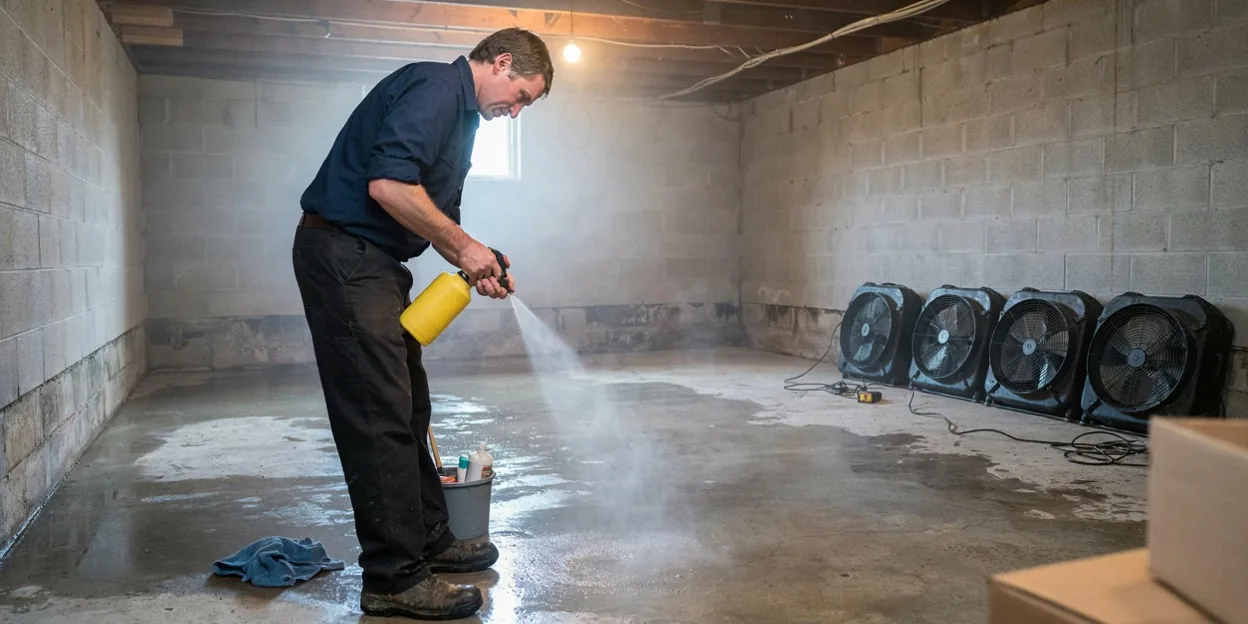
Water pumped out of a finished Castle Rock basement, then carpet pad, drywall, and framing metered to see what dries and what comes out.
Sump Pump Failure Cleanup
Cleanup after a pit overflowed during snowmelt or a power outage, with the basement floor, walls, and stored contents dried on a plan.
Frozen Pipe Cleanup
Water cleanup after a supply line froze and split in a garage wall, an attic run, or a hose bib, then dried what the thaw soaked.
Water Extraction
Standing water pulled off basement slabs, wood floors, and carpet with truck-mounted extractors before the drying equipment goes in.
Structural Drying
Air movers and dehumidifiers run by moisture readings until subfloor, studs, and drywall reach their dry target in thin Front Range air.
Burst Pipe Water Damage
The floors, ceilings, and finished rooms a failed supply line reached, extracted and dried once the main is closed.
Roof Leak Water Damage
Wet attic insulation, ceilings, and walls dried out after hail, wind, or a spring snow load opened a path through the roof.
Water Heater Leak Cleanup
A tank that let go in a basement utility room or garage, and the flooring, drywall, and stored boxes it soaked.