Sump Pump Failure Cleanup in Castle Rock, CO
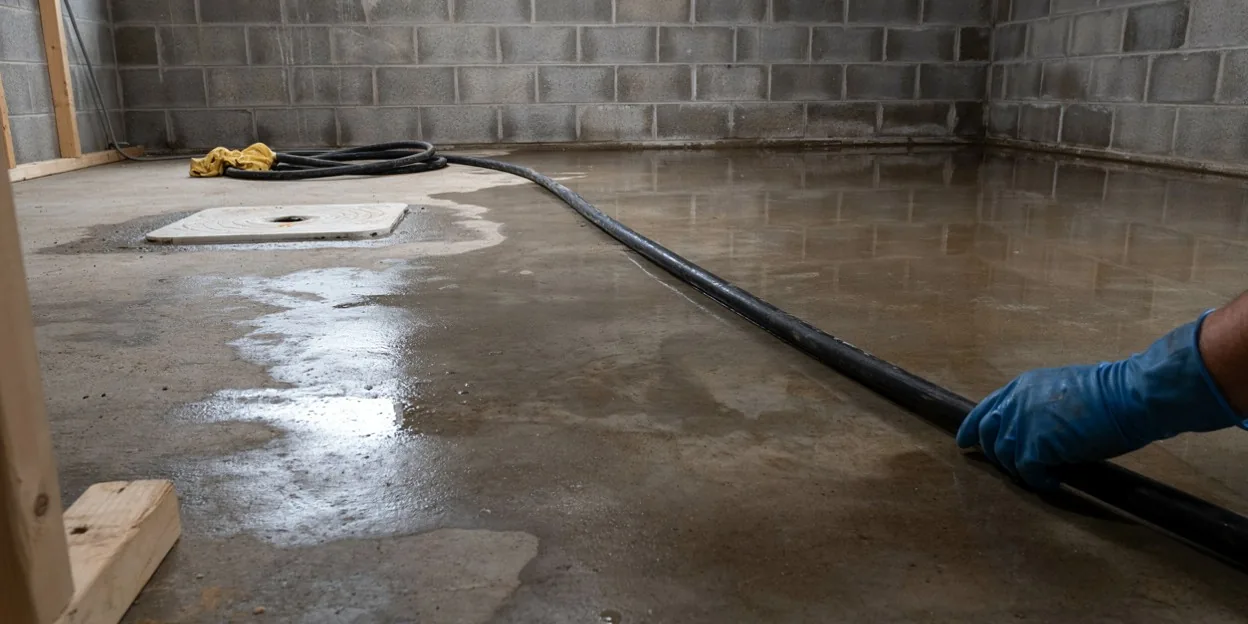
The power went out during the spring snowstorm and came back three hours later. By then the pit had filled, spilled over the rim, and run under the carpet pad from the mechanical room to the far wall of the family room. The pump is humming again now, which does nothing for the water already under the floor. This site connects you by phone with an independent local provider who cleans up after sump pump failures in Castle Rock and across Douglas County.
Finding out why the pit filled faster than it emptied
The crew looks at the pump before the carpet. A float stuck against the pit wall, a check valve that failed, a discharge line frozen at the exterior elbow, or a tripped GFCI each mean something different for tonight. If the pump is dead and the water table is still up, they set a temporary pump so the basement stops refilling while they work. Nobody dries a basement that is still taking on water.
Then they map the spread. Sump water follows the slab to its lowest corner, which is rarely near the pit. They meter the pad, the bottom plate of every wall, and the drywall behind the trim, and they check the closet under the stairs, because that is where the water hides in a Castle Rock basement.
Before the crew gets there: what helps and what hurts
Check the pump's outlet and the GFCI, and reset it once if it tripped. If the pump runs, let it. If the water is around the furnace, the water heater, or an outlet strip, turn off that breaker and stay out of the room. Carry boxes and anything on the floor upstairs after you photograph the water line.
Do not lift the carpet, and do not run the furnace fan to dry the room, because the return will pull wet air through the whole house. If the discharge line froze outside, a hair dryer on the exposed pipe is fine. A torch is not.
The pad comes out, the framing stays, the drywall depends on the reading
Sump water is groundwater, so the pad under the carpet is removed rather than dried. The carpet itself is often saved if it is extracted within a day and floated to dry. Drywall that reads wet above the baseboard is cut a few inches above the highest reading, and the wet insulation behind it comes out with it. Studs, the bottom plate, and the slab dry in place with structural drying equipment running by the numbers.
Built-in cabinets, a wet bar, or a laminate floor over the slab get metered individually. A bar base that sat in an inch of water for three days usually comes out. A laminate floor that got wet at one edge sometimes can be dried from below. The crew shows you the readings before making either call.
Why Castle Rock basements depend on a pump the way they do
Most houses built in Castle Rock since the 1980s have a basement, and most of them sit on swelling clay. Builders here run a perimeter drain around the footing and send it to a sump pit, because water left against that clay can heave a slab and crack a wall. The system moves a lot of water in a wet spring, when snowmelt from a March storm soaks into the ground for weeks. The March 2021 blizzard and the April melt behind it kept pumps in The Meadows and Founders Village cycling day and night.
Power is the weak point. A Front Range spring storm brings wet snow that takes down lines, and a pump without a battery backup stops the moment the lights do. Once it restarts, the water already on the floor is the cleanup job. Fixing the pump, adding a backup, and correcting the grading are separate work for a plumber or drainage contractor, and the crew will tell you which one you need.
Water that comes up through a sump pit is usually excluded from a homeowner policy unless you carry the sump and drain backup endorsement. Your own policy is the only place that answer lives, and this site cannot read it. Have the crew record the readings, the photos, and the date the pump stopped so your adjuster can work from a file. If the water came from a pipe above the pit rather than the pit itself, see burst pipe water damage.
When you call about a pump that stopped
Say whether the pump is running now, whether the pit is still full, and whether the basement is finished. Mention any outlet or appliance standing in water and whether the power is on. Call (303) 647-9733.