Water Damage Restoration in Terrain, CO
Terrain, also called Terrain at Castle Oaks, is the master-planned community on the east side of Castle Rock along Castle Oaks Drive, built in the 2010s and still adding paired ranch homes and two-stories on the ridges above Founders Parkway. The lots run up and down the hills, and many of the homes have walkout or garden-level basements the builder finished with a family room and a bath.
The construction is current: PEX supply lines, a tankless or high-efficiency water heater in some plans, radon systems, and a sump pit in the mechanical room fed by a perimeter drain in the clay. What Terrain shares with every Castle Rock neighborhood is a ridge-top exposure to wind and hail and a garage wall that faces the winter.
This site connects homeowners in Terrain with an independent local water damage provider by phone. Describe what you found, and the provider decides what to meter first.
Terrain water damage after hail, a freeze, or a lost float
A June hailstorm that bruised a ridge-top roof and let the next rain into the attic is roof leak water damage once the roofer has tarped it. A hose bib line that froze behind the garage drywall is frozen pipe cleanup. A pit that spilled in a spring outage is sump pump failure cleanup, and the builder-finished pad comes out.
Terrain's trails and the town that permits the rebuild
The community's Terrain at Castle Oaks site maps the trail system that connects the neighborhoods to the swim club and the open space along the ridge. Terrain is inside Castle Rock town limits, so the Town's Building Division handles rebuild permits and Castle Rock Water handles the meter.
Call (303) 647-9733 and tell us what you found. We put you through to a local water damage provider serving Terrain.
Services Available in Terrain
Basement Flooding Cleanup
Water pumped out of a finished Castle Rock basement, then carpet pad, drywall, and framing metered to see what dries and what comes out.
Sump Pump Failure Cleanup
Cleanup after a pit overflowed during snowmelt or a power outage, with the basement floor, walls, and stored contents dried on a plan.
Frozen Pipe Cleanup
Water cleanup after a supply line froze and split in a garage wall, an attic run, or a hose bib, then dried what the thaw soaked.
Water Extraction
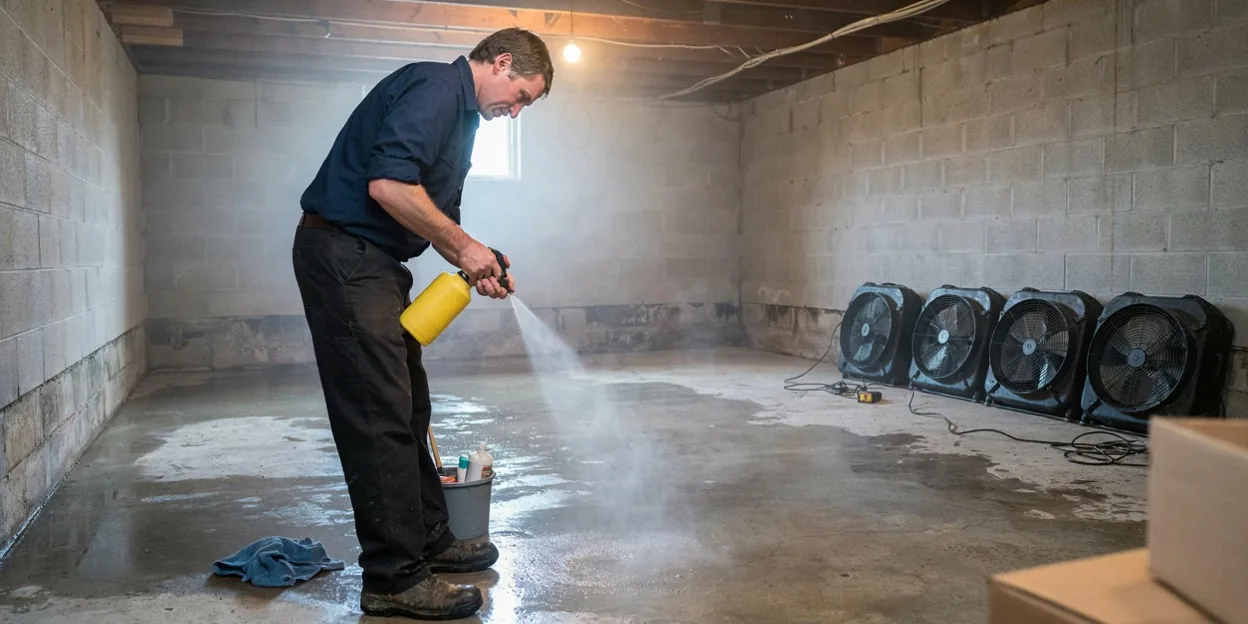
Standing water pulled off basement slabs, wood floors, and carpet with truck-mounted extractors before the drying equipment goes in.
Structural Drying
Air movers and dehumidifiers run by moisture readings until subfloor, studs, and drywall reach their dry target in thin Front Range air.
Burst Pipe Water Damage
The floors, ceilings, and finished rooms a failed supply line reached, extracted and dried once the main is closed.
Roof Leak Water Damage
Wet attic insulation, ceilings, and walls dried out after hail, wind, or a spring snow load opened a path through the roof.
Water Heater Leak Cleanup
A tank that let go in a basement utility room or garage, and the flooring, drywall, and stored boxes it soaked.