Water Damage Restoration in Sterling Ranch, CO
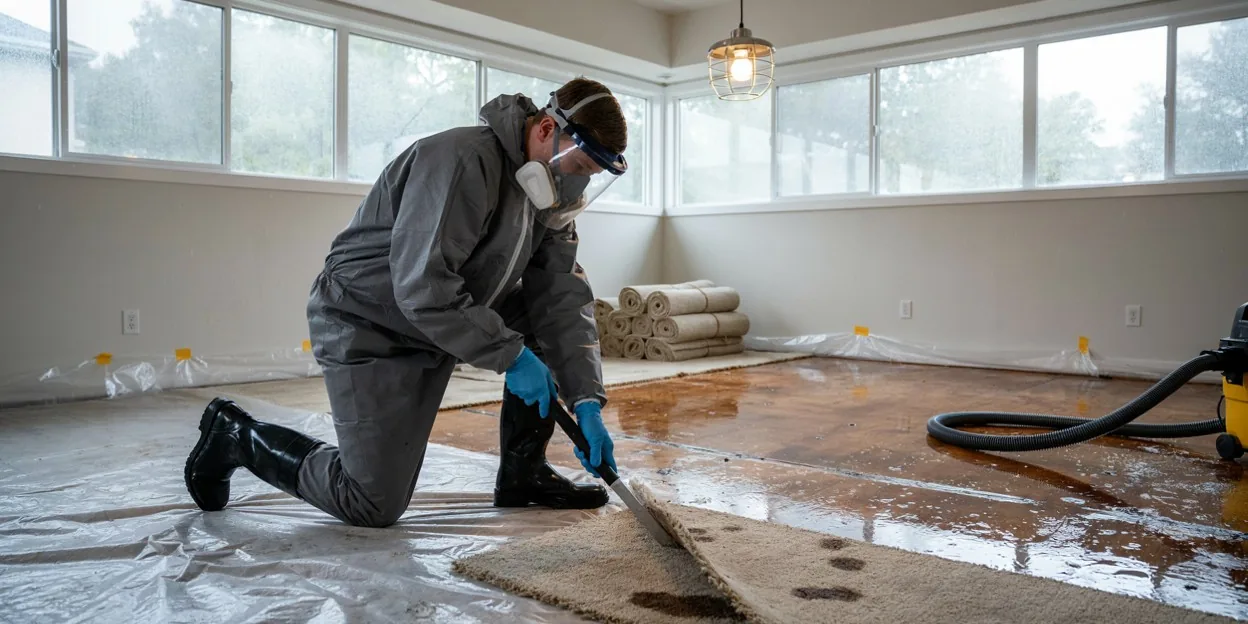
Sterling Ranch is the newest community in northwest Douglas County, a 3,400-acre master plan in the Chatfield Basin south of Titan Road where construction began in 2016 and the first village, Providence, brought in just under 800 homes. It is planned to grow to about 33,000 residents, and today it is 2010s and 2020s two-stories, ranches, and paired homes at 5,709 feet, with smart-home wiring and water meters that report to the district.
New construction means PEX plumbing, high-efficiency mechanicals, and basements poured to current code over engineered fill, but it also means a builder-finished basement, a laundry room on the second floor, and grading that is still settling. Sterling Ranch sits on the same clay as the rest of the county, and its sump pits run through the same spring melt.
This site connects Sterling Ranch homeowners with an independent local water damage provider by phone. The provider walks the house, meters the basement, and sets the scope from the readings.
Sterling Ranch water damage in a house that is a few years old
A connector under an upstairs vanity that ran through the kitchen ceiling to the basement is burst pipe water damage. A pit that overflowed during a spring outage is sump pump failure cleanup, and the builder's pad comes out. After either, structural drying runs until every level reads dry.
The wholesale district behind Sterling Ranch's taps
Dominion Water and Sanitation District has provided wholesale water and wastewater service to northwest Douglas County since 2004 and supplies Sterling Ranch through the community authority board. Sterling Ranch is unincorporated, so rebuild permits go through the Douglas County Building Division.
Call (303) 647-9733 and tell us what you found. We put you through to a local water damage provider serving Sterling Ranch.
Services Available in Sterling Ranch
Basement Flooding Cleanup
Water pumped out of a finished Castle Rock basement, then carpet pad, drywall, and framing metered to see what dries and what comes out.
Sump Pump Failure Cleanup
Cleanup after a pit overflowed during snowmelt or a power outage, with the basement floor, walls, and stored contents dried on a plan.
Frozen Pipe Cleanup
Water cleanup after a supply line froze and split in a garage wall, an attic run, or a hose bib, then dried what the thaw soaked.
Water Extraction
Standing water pulled off basement slabs, wood floors, and carpet with truck-mounted extractors before the drying equipment goes in.
Structural Drying
Air movers and dehumidifiers run by moisture readings until subfloor, studs, and drywall reach their dry target in thin Front Range air.
Burst Pipe Water Damage
The floors, ceilings, and finished rooms a failed supply line reached, extracted and dried once the main is closed.
Roof Leak Water Damage
Wet attic insulation, ceilings, and walls dried out after hail, wind, or a spring snow load opened a path through the roof.
Water Heater Leak Cleanup
A tank that let go in a basement utility room or garage, and the flooring, drywall, and stored boxes it soaked.