Water Damage Restoration in Louviers, CO
Louviers is the old DuPont company town on the west side of U.S. 85 between Sedalia and Chatfield, about 290 people at 5,614 feet, laid out in 1906 to house the workers at the dynamite plant and named for the Du Pont family's Delaware estate. The houses are the original company cottages and bungalows on a tight grid of streets, with a few newer homes on the edges, and many of them still have the shallow basements and crawl spaces they were built with.
A century-old house has its own water problems. Cast iron and galvanized lines, foundations of stone and early concrete, and basements that were never meant to be finished all meet a Front Range winter and a spring melt every year. The community is on its own small water system, not a big regional district.
This site connects Louviers homeowners with an independent local water damage provider by phone. You describe what you found, and the provider works out what to look at first.
Louviers water damage in a 1906 company house
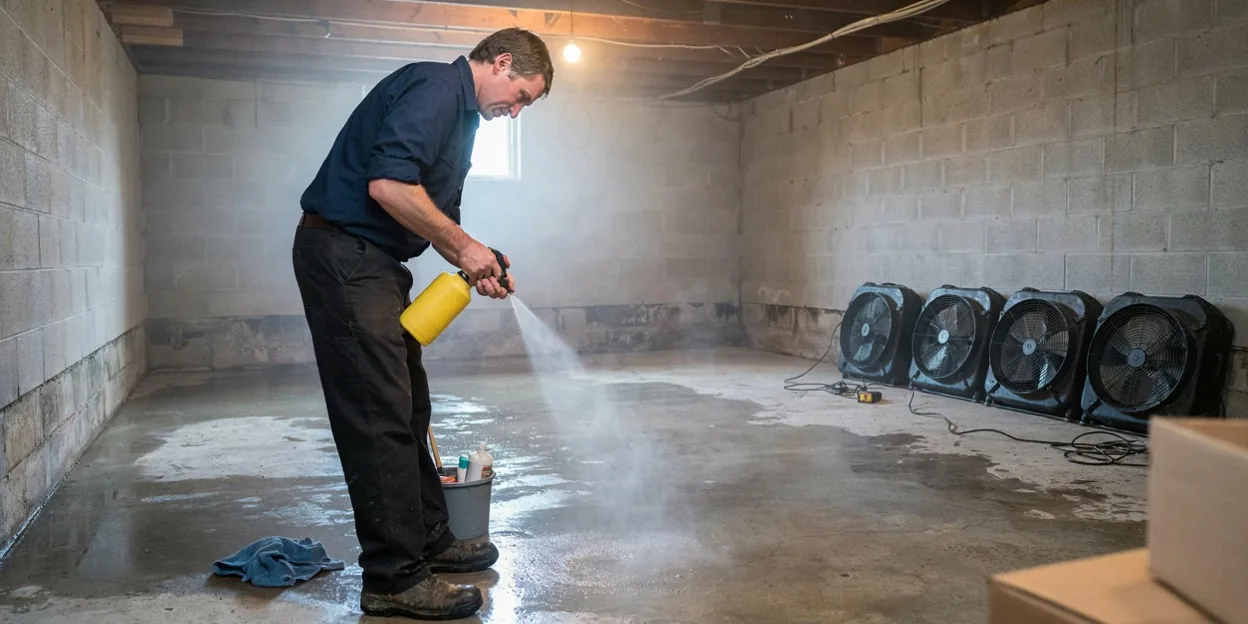
A galvanized line that let go in a crawl space is burst pipe water damage, and the crew checks the floor above it as well as the dirt below. Water on a shallow basement floor after a wet week is basement flooding cleanup. A tank in a cramped utility corner is water heater leak cleanup.
The small district that keeps Louviers in water
The Louviers Water and Sanitation District runs the town's water and sewer as its own small system and posts its board meetings and water quality notices online. Louviers is unincorporated, so rebuild permits go through the Douglas County Building Division.
Call (303) 647-9733 and tell us what you found. We put you through to a local water damage provider serving Louviers.
Services Available in Louviers
Basement Flooding Cleanup
Water pumped out of a finished Castle Rock basement, then carpet pad, drywall, and framing metered to see what dries and what comes out.
Sump Pump Failure Cleanup
Cleanup after a pit overflowed during snowmelt or a power outage, with the basement floor, walls, and stored contents dried on a plan.
Frozen Pipe Cleanup
Water cleanup after a supply line froze and split in a garage wall, an attic run, or a hose bib, then dried what the thaw soaked.
Water Extraction
Standing water pulled off basement slabs, wood floors, and carpet with truck-mounted extractors before the drying equipment goes in.
Structural Drying
Air movers and dehumidifiers run by moisture readings until subfloor, studs, and drywall reach their dry target in thin Front Range air.
Burst Pipe Water Damage
The floors, ceilings, and finished rooms a failed supply line reached, extracted and dried once the main is closed.
Roof Leak Water Damage
Wet attic insulation, ceilings, and walls dried out after hail, wind, or a spring snow load opened a path through the roof.
Water Heater Leak Cleanup
A tank that let go in a basement utility room or garage, and the flooring, drywall, and stored boxes it soaked.